
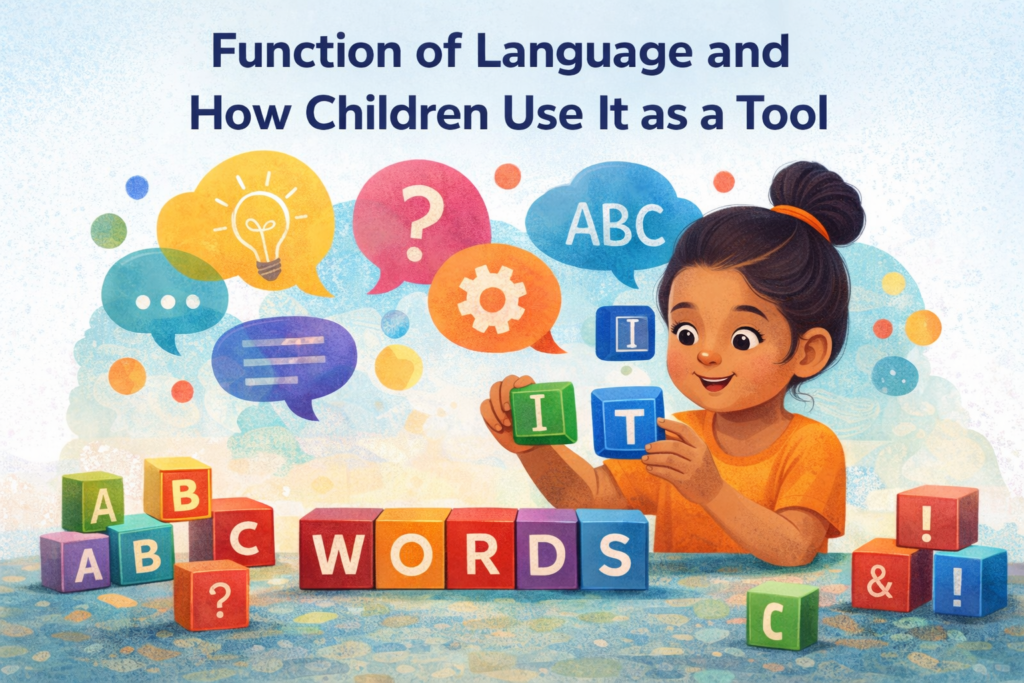
Michael Halliday explained that language is not just a system of grammar, but a resource for making meaning. Every time we speak or write, we use language for a specific function or purpose. These functions help learners understand why language is used in real-life situations—a key focus in English pedagogy, CTET, TET, and B.Ed examinations.
Functions of Language (According to Michael Halliday)
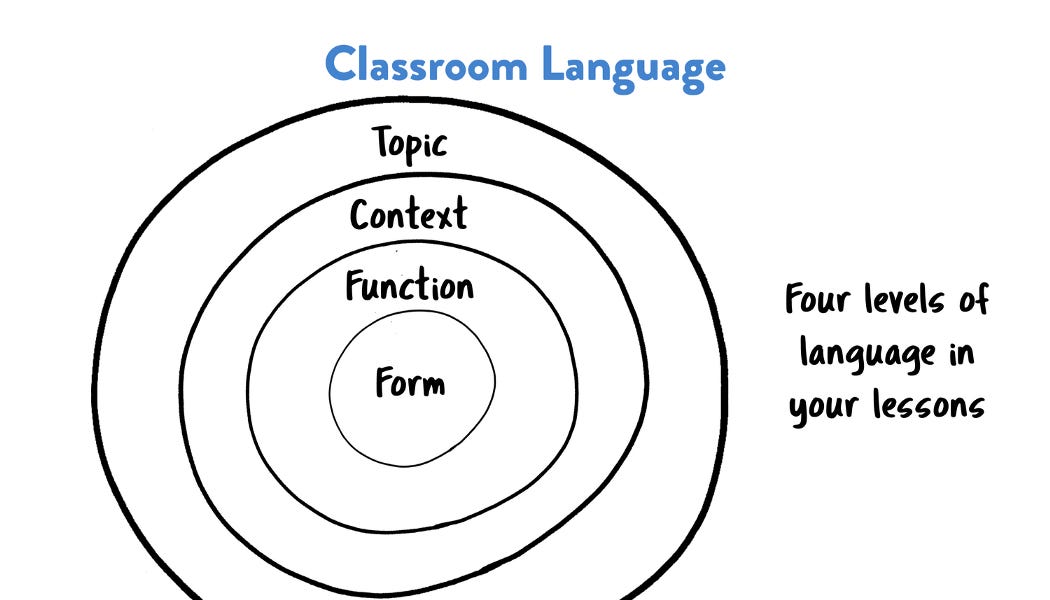

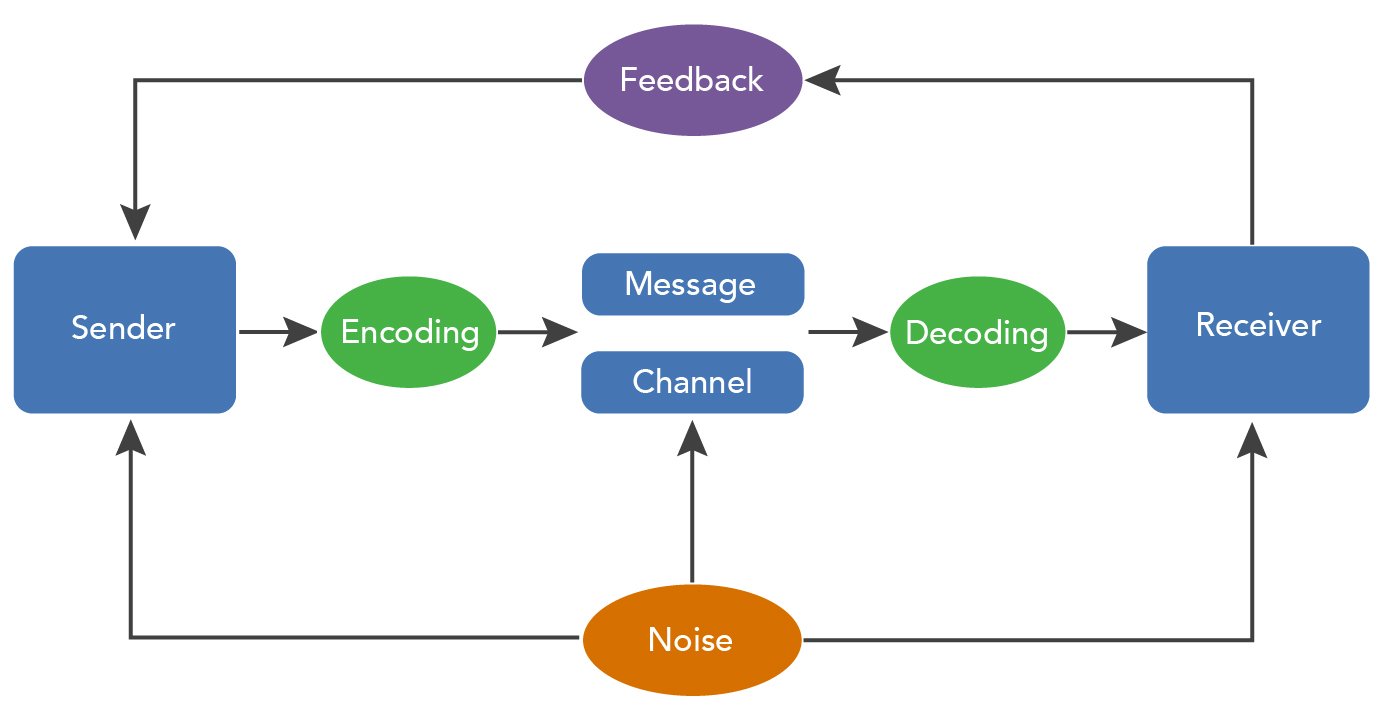
Language performs multiple functions in daily communication. Each function reflects a different intention of the speaker.
Instrumental Function of Language
The instrumental function is used to satisfy basic needs or desires. Through this function, the speaker asks for things or services.
Examples include simple requests made in everyday life or classrooms.
A child may say, “May I drink some water?” or “Please give me a pencil.”
At home, one might say, “I want some food,” or “Can you open the window?”
This function is common in early language development, where children use language as a tool to get things done.
Regulatory Function of Language
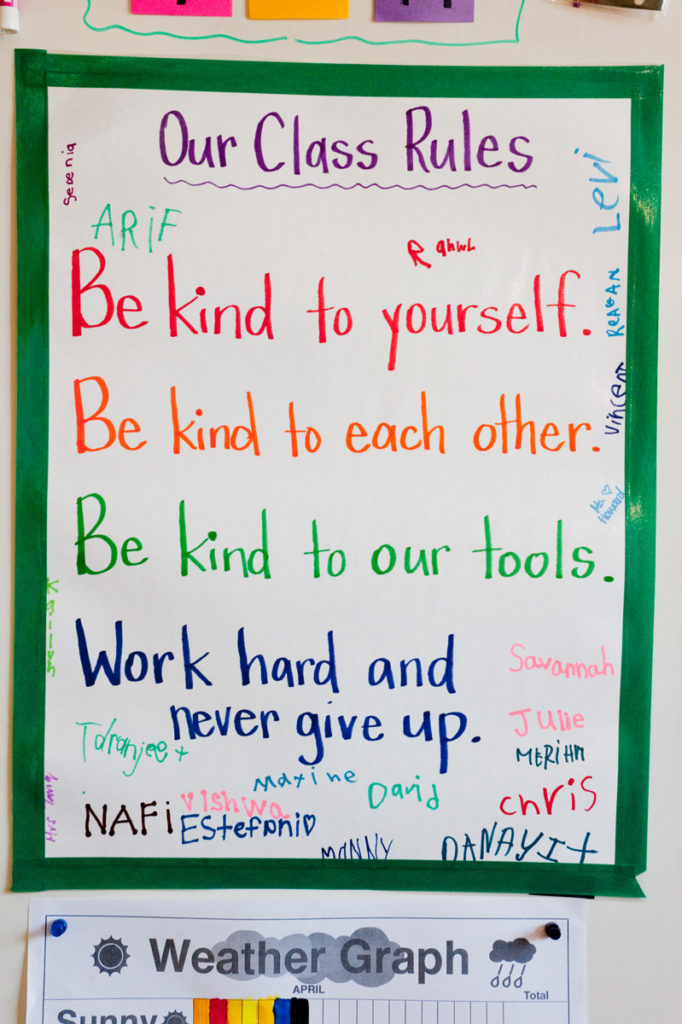
The regulatory function is used to control or influence the behaviour of others. It is often associated with rules, instructions, commands, or advice.
Teachers frequently use this function in classrooms by saying, “Sit properly,” or “Complete your homework on time.”
Parents may say, “Do not touch the stove,” or “Finish your homework before watching TV.”
This function highlights how language helps maintain discipline and social order.


Interactional Function of Language
The interactional function is used to build and maintain social relationships. It supports friendly communication and emotional bonding.
People use this function while greeting others, sharing feelings, or participating in social talk.
Examples include “Happy Birthday!”, “How are you?”, or “It’s nice to meet you.”
Students chatting with classmates or friends sharing experiences are also using language interactionally.
This function emphasizes language as a social glue that connects people.
Personal Function of Language
The personal function allows speakers to express their feelings, emotions, opinions, and identity.
Statements such as “I am feeling very happy today,” “I am nervous before the exam,” or “I love reading history books” reflect this function.
Learners often use this function in diaries, personal essays, or reflective writing.
It helps individuals assert their individuality and emotional state.
Heuristic Function of Language
The heuristic function is used to explore, inquire, and learn about the world. It involves asking questions and seeking explanations.
Children frequently use this function when they ask, “Why is the sky blue?” or “How does a train run?”
In academic contexts, questions like “Is there a drug to cure AIDS?” or “Why did the French Revolution occur?” also reflect heuristic use.
This function supports curiosity, discovery, and learning.



Imaginative Function of Language
The imaginative function allows speakers and writers to create new worlds, stories, and possibilities using imagination.
Creative tasks such as “Write a story about a flying school,” or “Imagine you are living on the clouds” demonstrate this function.
Poems, fairy tales, role-plays, and fantasy writing heavily rely on imaginative language.
This function nurtures creativity, innovation, and artistic expression.
Informational Function of Language
The informational function is used to give, seek, or exchange factual information.
Examples include questions like “What is the current rate of population growth in India?” or statements such as “The Earth revolves around the Sun.”
Textbooks, news reports, lectures, and academic writing mainly use this function.
This function highlights language as a carrier of knowledge and facts.



Importance of Language Functions in Teaching and Learning
Understanding the functions of language helps teachers design meaningful classroom activities. Instead of focusing only on grammar rules, teachers encourage learners to use language for real purposes—asking questions, expressing feelings, giving information, and creating stories.
In CTET and English Pedagogy, questions often test whether a teacher recognizes language as a functional and communicative tool, not merely a subject to be memorized.
SEO Title:
Functions of Language by Michael Halliday | English Pedagogy Notes
Slug:
functions-of-language-michael-halliday
Focus Keyphrase:
functions of language
Meta Description:
Functions of language explained with examples according to Michael Halliday. Instrumental, regulatory, interactional, personal, heuristic, imaginative, and informational functions for CTET and English pedagogy.