
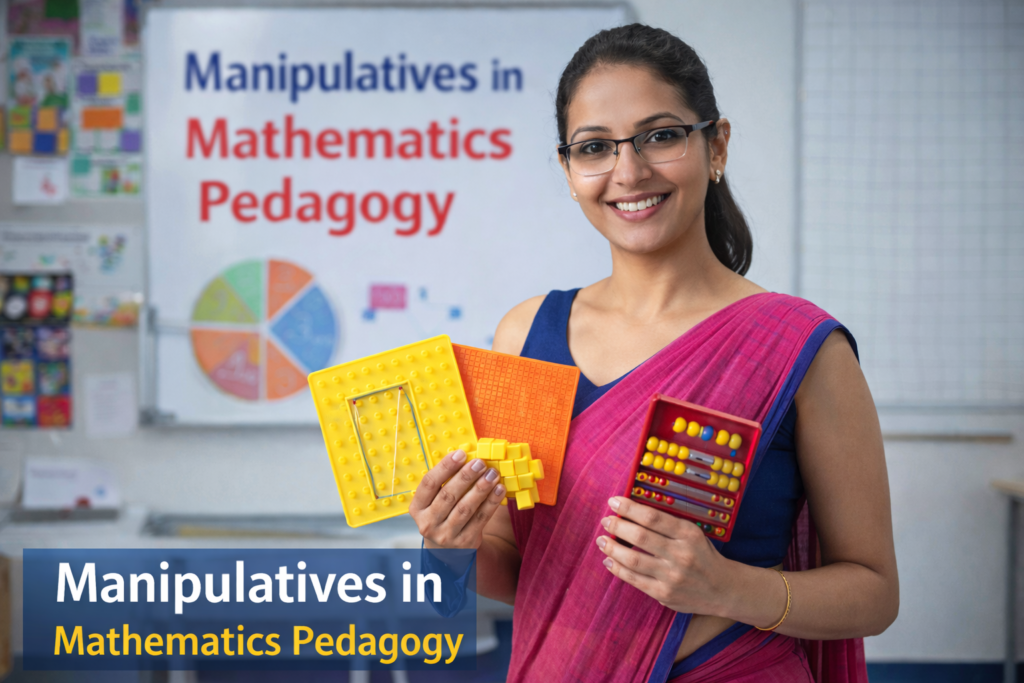
Hands-on Teaching–Learning Materials in Mathematics


Introduction
In mathematics pedagogy, manipulatives play a vital role in transforming abstract mathematical ideas into concrete, meaningful experiences. Especially at the primary and upper-primary level, children learn best when they can see, touch, and manipulate objects rather than only memorising symbols and formulas.
Manipulatives promote learning by doing, strengthen conceptual understanding, and make mathematics engaging and child-centred, as recommended by modern constructivist pedagogy.
✅ What Are Manipulatives in Mathematics?
Manipulatives are hands-on materials used to help learners understand mathematical concepts concretely before moving to symbolic representation.
They help children:
- Visualise abstract ideas
- Learn through active participation
- Connect mathematics with real-life situations
- Develop reasoning and problem-solving skills
🧩 Types of Mathematical Manipulatives
1️⃣ Grid Board (Geoboard)


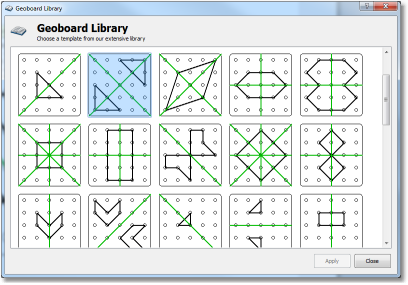
A grid board is usually a square board with equally spaced pins. Rubber bands are stretched over the pins to form shapes.
Educational Uses
- Teaching geometrical shapes
- Understanding perimeter and area
- Learning angles and symmetry
- Introducing coordinate concepts
This tool is extremely useful for experiential geometry learning.
2️⃣ Abacus


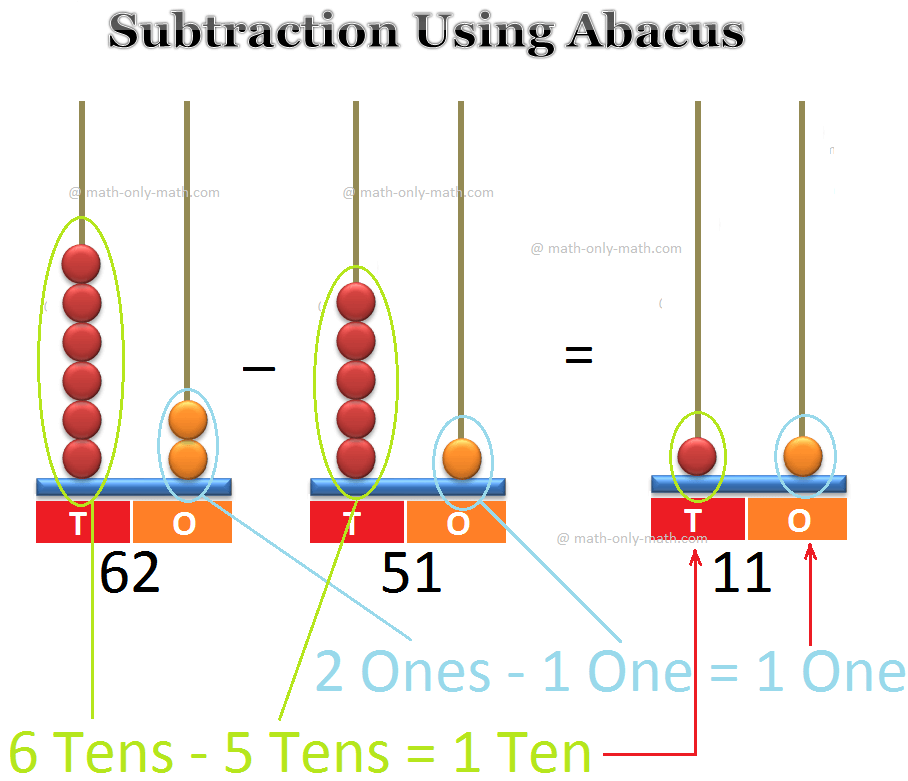
The abacus is one of the oldest mathematical instruments, consisting of beads mounted on rods within a frame.
Educational Uses
- Understanding the number system
- Learning place value
- Performing addition and subtraction
- Developing mental calculation skills
It is widely used in early numeracy development.
3️⃣ Graph Paper


Graph paper is a powerful visual tool used to represent numerical relationships.
Educational Uses
- Explaining the decimal system
- Drawing graphs and charts
- Understanding coordinates
- Teaching patterns and data representation
It builds strong links between numbers and visuals.
4️⃣ Pie Chart (Fraction Circle)


A pie chart or fraction circle shows the relationship between a whole and its parts.
Educational Uses
- Teaching fractions
- Understanding ratios
- Comparing parts of a whole
- Introducing data handling concepts
This manipulative is ideal for conceptual clarity in fractions.
5️⃣ Dienes Blocks (Base-10 Blocks)


Proposed by Zoltan Dienes, these blocks are based on the place value system.
Types of Dienes Blocks
- Unit (One Cube) – represents 1
- Rod (Tens Rod) – 10 units joined together
- Flat (Hundreds Flat) – 100 units
- Cube (Thousands Cube) – 1000 units
Educational Uses
- Understanding place value
- Teaching addition and subtraction
- Explaining multiplication and division
- Learning regrouping (carrying and borrowing)
They are mainly used in primary classes to strengthen number sense.
🎯 Pedagogical Importance of Manipulatives
Manipulatives support:
- Concrete → Pictorial → Abstract (CPA) learning
- Child-centred and activity-based teaching
- Inclusive classrooms for diverse learners
- Long-term conceptual retention
They align with NCF and NEP recommendations for joyful learning.
📌 Advantages of Using Manipulatives
- Makes mathematics interesting and less fearful
- Encourages active learner participation
- Develops logical thinking
- Bridges the gap between theory and practice
📝 Exam Relevance (CTET | B.Ed | STET | BPSC TRE)
Questions from Mathematics Pedagogy frequently focus on:
- Meaning of manipulatives
- Examples like abacus, geoboard, Dienes blocks
- Their role in conceptual development
Understanding this topic ensures scoring accuracy in pedagogy sections.
❓ Frequently Asked Questions (FAQs)
Q1. What are manipulatives in mathematics?
Manipulatives are concrete teaching aids used to explain abstract mathematical concepts through hands-on learning.
Q2. Which manipulative is best for teaching place value?
Dienes blocks and abacus are most effective for teaching place value.
Q3. Are manipulatives suitable only for primary classes?
They are most common in primary classes but can also be adapted for higher levels.